Stories
Sustainability Spotlight Hosts CEO of AGL
Shuakhevi HPP Cascade: Strengthening Georgia’s Energy Security Through Renewable Investment
Hydropower remains the backbone of Georgia’s renewable energy system, playing a critical role in ensuring energy security, reducing import dependence, and supporting long-term sustainable development. Among the country’s most significant achievements in this sector is the Shuakhevi Hydropower Plant Cascade, the largest energy infrastructure project built in Georgia since independence.
Owned by Adjaristsqali Georgia, the 187 MW cascade represents a landmark investment of over USD 550 million and contributes approximately 4–5% of Georgia’s total electricity generation. Beyond its scale, the project is notable for its emphasis on operational reliability, advanced digital monitoring systems, environmental stewardship, and strong community engagement.
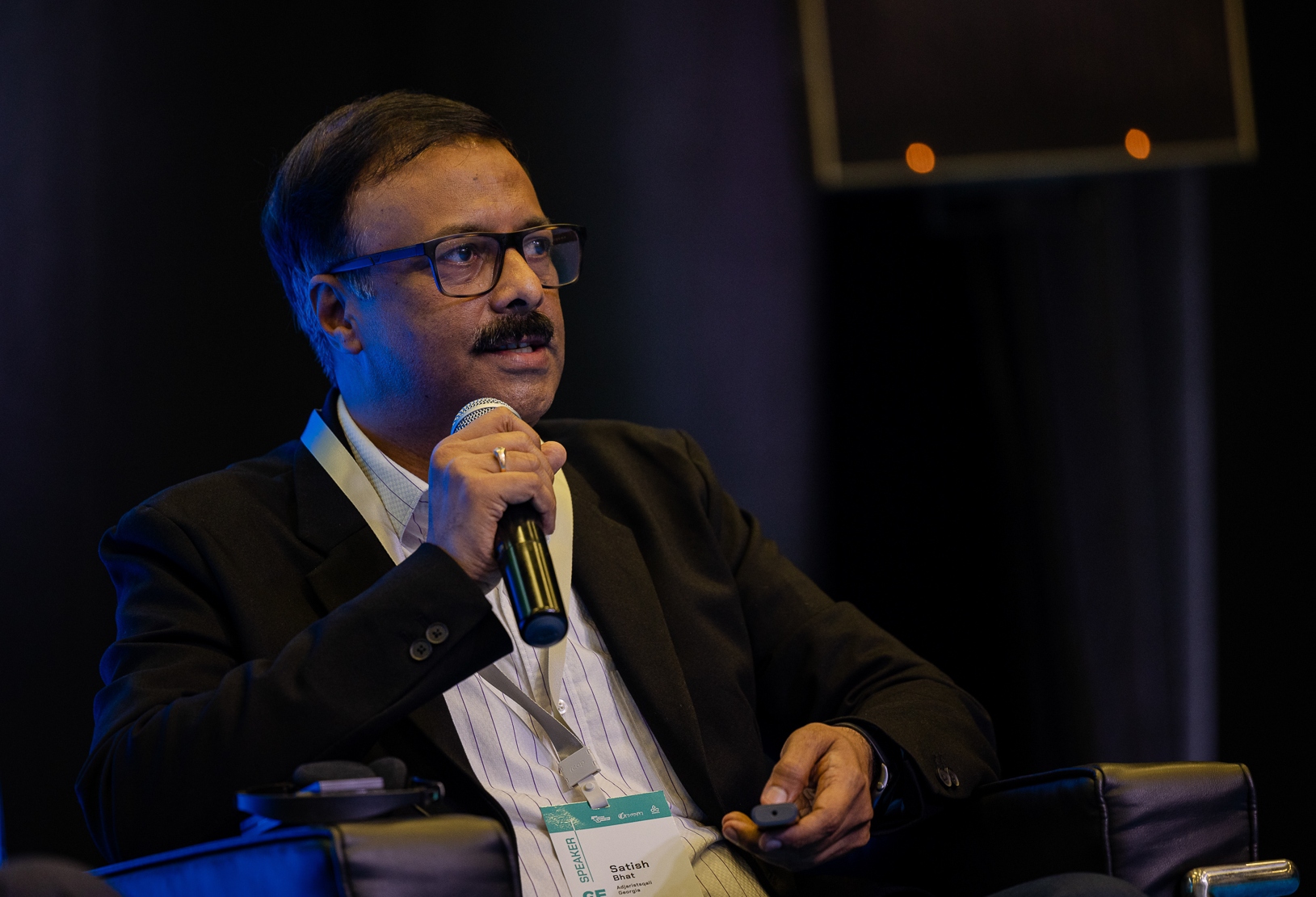
In this interview, Satish Bhat, Chief Executive Officer of Adjaristsqali Georgia, shares his perspective on the strategic importance of the Shuakhevi Cascade for Georgia’s energy independence, the role of hydropower in balancing seasonal fluctuations, the lessons learned from delivering a project of this magnitude, and the conditions needed to attract future sustainable investment into the country’s renewable energy sector.
The Shuakhevi HPP Cascade is the largest energy infrastructure project built in Georgia since independence. From your perspective, what is the strategic importance of this project for Georgia’s energy security and long-term energy independence?
The Shuakhevi HPP Cascade is a cornerstone of Georgia’s energy security and a key contributor to long-term energy independence. In a world where energy reliability has become a strategic priority, Shuakhevi delivers stable, domestically generated renewable power that strengthens the country’s resilience and reduces reliance on imports.
Georgia’s abundant renewable resources and its geographic position provide a natural advantage, and Shuakhevi converts this potential into dependable, dispatchable electricity. Each unit of energy produced locally enhances system stability, supports economic growth, and reinforces Georgia’s geopolitical and energy autonomy.
With an installed capacity of 187 MW and an annual generation of around 450 million kWh, accounting for approximately 4–5% of Georgia’s total electricity generation, how does the Shuakhevi Cascade contribute to the stability and reliability of the national power system, particularly during seasonal fluctuations?
Hydropower forms the backbone of Georgia’s energy system, representing nearly 75% of installed capacity, and Shuakhevi plays a vital role in supporting both peak demand and grid stability, particularly in western Georgia. Its cascading design allows for rapid response to demand variations, ensuring dependable and flexible operations.
While seasonality is an inherent challenge for renewable energy systems, Shuakhevi’s operational flexibility and optimised water management enable predictable output and efficient resource utilisation, making it a reliable stabilising force for the national grid.
Adjaristsqali Georgia, has invested over USD 550 million in Georgia’s energy sector. What were the key challenges in developing and delivering a project of this scale, and what lessons could be valuable for future large-scale renewable energy investments in the country?
Delivering a project of this scale in a mountainous region required far more than technical capability; it demanded resilience, coordination, and long-term commitment. Complex geology, logistics, and the integration of international standards with local conditions were among the primary challenges.
The key lesson is that success depends on trust and partnership between investors, government, communities, and project teams. Early engagement, transparency, and embedding sustainability from the outset are essential. At the same time, stable regulatory frameworks and fair returns are critical to building investor confidence and positioning Georgia as an attractive destination for long-term energy investment.
Beyond electricity generation, the company places strong emphasis on safety, environmental protection, and social responsibility. How do you ensure a balanced approach between hydropower operations and environmental and social considerations?
For us, safety and sustainability are integral to operations. Energy cannot truly be considered clean unless it is also safe, responsible, and respectful of people and the environment.
We integrate environmental monitoring, biodiversity protection, and water stewardship into daily operations, while maintaining strict occupational health and safety standards supported by continuous training and strong leadership. As a participant in the UN Global Compact, we align our practices with international ESG principles, ensuring that every operational decision considers environmental, social, and safety impacts.
The Shuakhevi HPP integrates advanced digital and monitoring technologies, including real-time data systems and predictive tools. How is digitalisation transforming hydropower operations, and why is it critical for long-term asset reliability and sustainability?
Digitalisation is transforming hydropower from a reactive process into a proactive, data-driven operation. Real-time monitoring, predictive maintenance, and advanced analytics enable us to anticipate risks, optimise performance, and enhance reliability and safety.
A key component is advanced inflow forecasting, which combines weather data, hydrological trends, and snow measurements to accurately predict water availability and support precise generation planning. Over time, digital tools allow us to maximise energy output while minimising environmental impact, ensuring efficient and sustainable asset management.
Adjaristsqali Georgia, is widely recognised for setting high standards of corporate responsibility in Georgia’s energy sector, particularly through local employment and community development initiatives. How do these social investments contribute to the long-term success of the project and the company?
Strong community relationships are fundamental to long-term success. From the outset, we have worked closely with local stakeholders to understand their needs and create initiatives that deliver meaningful social and economic benefits.
Through investments in education, infrastructure, and local employment, we have supported regional development while building trust and shared value. These efforts have strengthened our social license to operate and fostered lasting partnerships that underpin the project’s sustainability and success.
Looking ahead, how do you see the role of hydropower evolving within Georgia’s renewable energy mix, and what key message would you share with policymakers and investors about the future of sustainable energy development in the country?
Hydropower will continue to serve as the foundation of Georgia’s renewable energy mix, complemented by growing integration with other renewable technologies and smarter grid systems.
Energy investments require not only capital but also investor confidence. In an era shaped by geopolitical uncertainty, climate variability, and evolving energy flows, investors seek stability, predictability, and genuine partnership. While they are willing to commit long-term funds to clean and reliable energy infrastructure, this commitment depends on consistent regulation, transparent decision-making, and policy continuity. Stable frameworks, bankable contracts, timely approvals, and respect for contractual commitments are essential to reducing risk premiums and unlocking affordable financing. Clear market signals, fair tariff structures, and streamlined permitting processes will help attract international capital at scale and position the country as a trusted destination for sustainable investment.