Press Releases
BMG Interview with AGL CEO
As the energy sector continues to evolve, human capital is becoming an increasingly important part of the conversation: does the industry have enough skilled professionals to develop the next generation of energy projects and operate them efficiently?
At the same time, energy remains a sector where women are underrepresented, particularly in technical and engineering roles.
How has the industry changed over the past several decades? Why does attracting more young professionals and women matter for its future? And what opportunities does Georgia have to build the skills its energy sector will need?
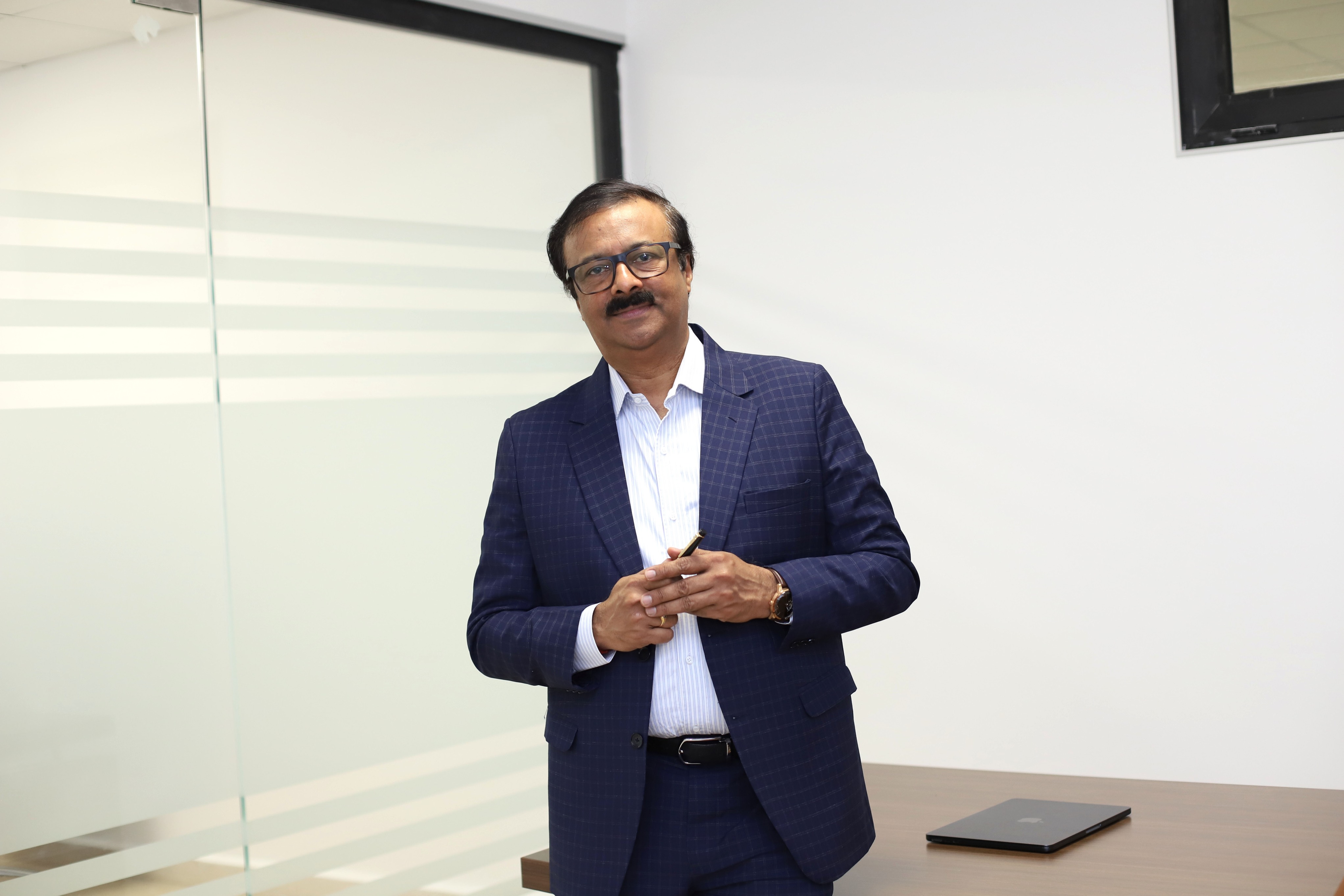
BMG discussed these issues with Satish Bhat, CEO of Adjaristsqali Georgia, who brings 35 years of experience in the energy sector.
Mr. Bhat, you have spent 35 years working in the energy sector. How has the industry changed during this time, particularly in terms of human capital and women’s participation?
When I look back the energy sector, the change has been enormous. The industry has moved from being primarily asset-centric, dominated by large thermal and hydro projects, to a much more technology- and people-centric sector shaped by renewables, storage, digitalization, smart grids and energy efficiency. The workforce was heavily engineering-oriented, hierarchical and predominantly male. However, the most encouraging change is that the conversation itself has changed.
Today, the question - “Can a woman work in a power plant or manage a project site?” - increasingly sounds outdated.
A successful career was often built on deep engineering expertise, long tenure with one organisation and the ability to manage large physical assets and teams. Today, the skills required are much broader and include not only electrical, mechanical and civil engineering, but also data, digital technologies, project finance, commercial strategy, regulatory affairs, ESG, supply chains, analytics and stakeholder management. Today, the sector is much more diverse. Solar, storage, distributed generation, digitalisation, smart grids, energy efficiency and the broader energy-transition ecosystem have created entirely new roles.
I believe women should play an active role in shaping and leading the energy transition.
Why has human capital become such an important issue for the energy sector today?
Energy today is about much more than building power plants and generating electricity.
The growth of renewable energy, digitalization, automation, energy security, and increasingly high environmental and social standards are transforming both the sector and the capabilities required from modern energy companies.
According to IRENA and the ILO, more than 16 million people are already employed in renewable energy worldwide, and demand for skilled professionals will continue to grow as the energy transition advances.
This is why developing the next generation of energy professionals is just as important as developing new energy infrastructure.
A country can attract significant investment and build modern energy assets, but operating them safely, efficiently and sustainably over the long term requires local knowledge, experience and professional acumen.
In this context, why is greater participation by women in the energy sector important?
First and foremost, it is a matter of equal opportunity. Women and men should have the same opportunity to access relevant education, enter the sector and develop professionally based on their skills and capabilities.
I have seen women enter engineering, project management, commercial functions, business development, finance, operations and leadership positions—and demonstrate that competence has very little to do with gender. However, the progress is still limited.
The underrepresentation of women in technical roles cannot be attributed to a single factor. It is influenced by access to education and practical experience, career choices, workplace environments, opportunities for professional advancement, the availability of role models, and barriers that have historically existed within the sector.
This is why the role of companies should extend beyond recruitment. We need to create environments where women too have equal opportunities to enter the profession, gain hands-on experience, develop their expertise and progress into positions of greater responsibility and leadership.
Ultimately, these objectives are not in competition with each other. Gender equality is both an equal-opportunity issue and an important part of building a stronger and more competitive energy sector.
What has Adjaristsqali Georgia’s experience been in this regard?
Women currently hold approximately 60% of management and leadership positions at Adjaristsqali Georgia, a representation we are indeed proud of.
However, they remain underrepresented in technical and engineering positions, and this is where we see a clear opportunity.
Our approach is based on creating meaningful professional opportunities. In recent years, young women studying engineering gained practical experience with our company. They have had the opportunity to work alongside our professionals to gain first-hand exposure to the operation of complex energy facility.
While internship is an important first step, what matters is to create a pathway that enables young professionals to build on that practical experience, enter the industry and develop long-term careers based on their abilities.
As a member of the United Nations Global Compact, we also have specific objectives and a clear direction regarding gender equality. Our goal is to progressively create more opportunities for women to participate and advance professionally across the organisation, including in technical functions.
You often speak about the importance of cooperation between universities and business. What can this partnership look like in practice?
This is particularly important in energy sector, where highly technical roles require far more than classroom-based knowledge. Students need exposure to real-world energy infrastructure, hands on experience with different and opportunities to learn directly from experienced engineers and industry professionals.
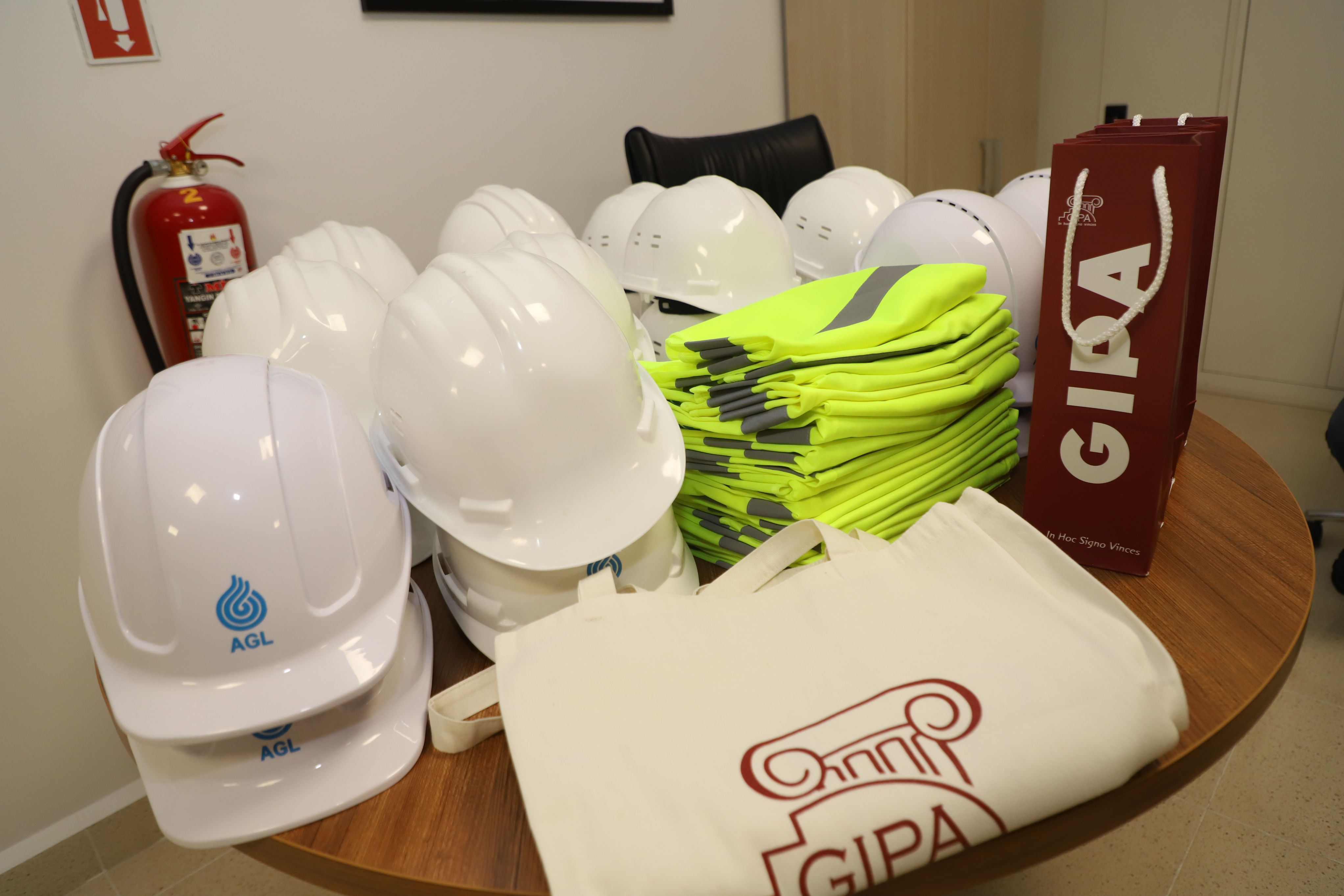
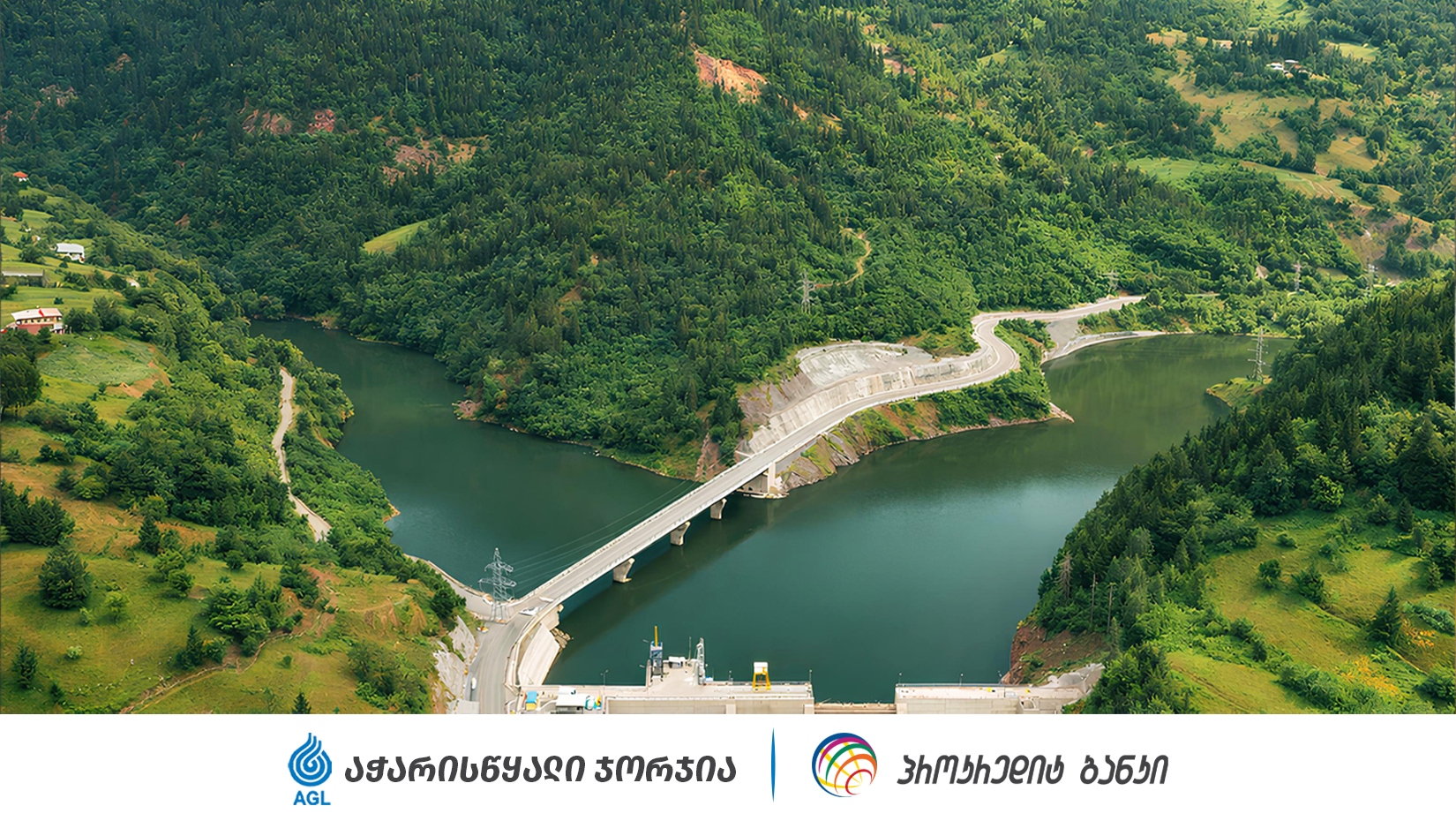
We have some examples of such cooperation with Shuakhevi HPP serving as a practical training site for students of the Georgian Institute of Public Affairs — GIPA, giving them the opportunity to see how a hydropower plant operates, gain practical experience and connect what they learn in the classroom with a real working environment.
For us, this partnership goes beyond a traditional educational initiative. It gives young people the opportunity to understand energy sector in practice, understand the range of professional opportunities it offers, and gain a clearer perspective on different career paths they can pursue within the industry.
I believe partnerships of this kind need to be strengthened and expanded across Georgia. We need a much stronger connection between universities and industry so that young people can make a smoother transition from education into professional careers, equipped with both academic knowledge and practical experience.
Equal access to these opportunities is equally important, including for young women choosing engineering and technical disciplines.
How would you assess Georgia’s position today? Does the country have the human capital required for the next stage of energy development?
Georgia has significant energy potential, and as the sector continues to expand and modernise, the importance of human capital will become increasingly critical. The next stage of Georgia’s energy development will require not only investment in infrastructure and technology, but also a strong pipeline of skilled professionals capable of designing, building, operating and managing increasingly complex energy systems.
I see many well-educated, motivated and technology-oriented young people in Georgia. The key challenge is to create opportunities for young people to translate their academic knowledge into practical experience and, importantly, to see a future for themselves within Georgia’s energy sector.
This requires much closer cooperation between universities, companies and the wider industry. Students should have opportunities, while they are still studying, to visit and work with real energy facilities, learn directly from experienced professionals, and gain a practical understanding of the technologies and career opportunities available within the sector.
Developing human capital takes time, consistency and commitment. But if educational institutions, businesses and the energy sector work together towards the same objective, I am confident that Georgia can build the capabilities it needs for the next stage of its energy development.
The future of energy will not only be measured by new megawatts of capacity, but it will also be defined by the people who design, build, operate and develop the infrastructure behind those megawatts. For Georgia, investing in that human capital today is just as important as investing in the energy infrastructure itself.
https://bm.ge/en/news/satish-bhat-the-future-of-energy-depends-on-the-next-generation-of-professionals